
Harbor Notices
Seasonal Harbor Closures: What to Check Before Planning a Port Visit
October 07, 2026
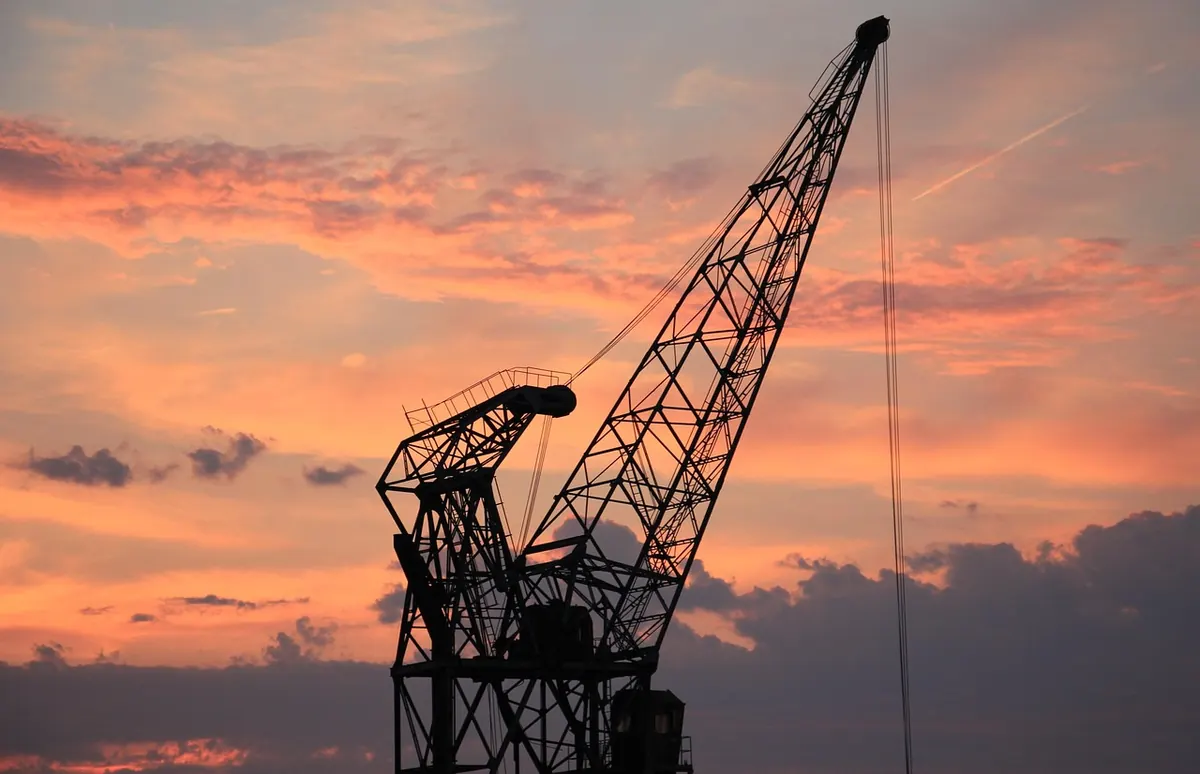
A harbour can look open from the road and still be closed to your boat. The car park is quiet, the fuel dock light is on, and the forecast is reasonable—then you reach the slipway and find a chain across the ramp. Seasonal closures rarely announce themselves at the gate. They live in a notice PDF, a recorded phone message, an email from the marina office, or a handwritten sign that went up after you last checked. Before you load the trailer or book a visitor berth, give the visit a proper pre-arrival check.
Start With the Official Notice Board
Begin with the people who control access: the harbour master, port authority, marina office or local council that manages the waterfront. For anyone arriving by water, notices to mariners matter as much as the marina website. Read the date and time on every notice. A closure posted for last month may have been replaced, and a notice about “essential works” may affect only one basin, one ramp or one entrance channel.
Ask a precise question: what exactly is closed, to whom, and for how long? A general notice can hide very different conditions.
“Closed” is not a single condition. It can mean no entry, no launching, no overnight berth, or no vehicle access. Ask which one applies.
Save the harbour office phone number before you travel, and call on the morning of your visit if the notice is vague. Screenshot or print the notice you relied on, then check again after a storm or a busy event weekend. Harbour staff are usually glad to clarify—provided you ask before you are already at the barrier.
Match the Season to the Harbour’s Rhythm
Harbours change character through the year. Spring often brings maintenance after winter weather: ramps resurfaced, pontoons repaired, channels dredged, lights serviced. Summer brings events and pressure—regattas, festivals, fireworks, tall-ship visits, ferry traffic and full visitor berths. Autumn can be a window for dredging and storm repairs, while winter may mean shorter office hours, reduced water or electricity service, and weather closures at short notice.
Check the harbour’s event calendar alongside its maintenance notices. A harbour that is quiet in March can be awkward in July because a race village has taken over the car park, or because a temporary exclusion zone sits across the usual approach. If you are arriving from another country, confirm clearance and security procedures with the port authority well before departure; those rules differ by place and are not the same as marina reception hours.
Check Access for Your Craft, Not Just the Harbour
“Harbour open” does not mean your boat fits. A deep-keel sailboat, a trailer sailer, a kayak and a rigid inflatable all need different things from a port. Check draft and air draft, tide and water level, sill heights, bridge clearance, lock dimensions and any speed or wake restrictions. If a notice mentions shallow water in a channel, do not assume your usual line still works.
For launching, look beyond the ramp itself: surface condition, slope, weed or debris, trailer parking, opening hours and whether a permit or booking is required. For a berth, confirm maximum length, beam and draft, plus whether power, water and pump-out are working. A marina can be fully open and still be unable to take you because the visitor pontoon is closed for repair or the fuel dock is operating reduced hours.
Maintenance Happens in Layers
Major works get the headlines, but small maintenance can ruin a visit. Read notices for the whole access chain, not just the harbour entrance.
Locks, Bridges and Lifts
Repairs to a bridge, lock or barrier can cut operating hours or stop traffic altogether. Check the published schedule, the VHF channel for operations, and whether bookings are needed. Maintenance windows often overrun, so recheck the day before and again on arrival.
Dredging, Ramps and Shore Services
Dredging can place floating plant, pipelines or markers where you normally turn. A ramp may be closed while it is cleaned or resurfaced. Water, electricity, showers, waste facilities or pump-out stations may be switched off for repairs. Look for notices about car park closures, trailer storage and security fencing around works areas.
- Bridge or lock hours reduced for repairs
- Dredging plant or pipeline blocking a channel or ramp
- Water, electricity, pump-out or showers out of service
- Car park or trailer storage closed for resurfacing
- Temporary security zones around works or events
Make a Pre-Visit Checklist
- Find the current official notice from the harbour master, port authority or marina, and check its date.
- Confirm what “closed” means for your type of craft and access point.
- Check your dimensions against draft, air draft, tide, sill and bridge clearance limits.
- Check the weather and sea state for the approach, not only the harbour itself.
- Verify the launch ramp, trailer parking, permit rules and opening hours.
- Confirm your berth or mooring, plus the services you actually need.
- Check locks, bridges and barriers on your route and note the next opening.
- Save phone numbers and a checked backup option before you leave home.
Plan a Workable Backup
A backup is not a second harbour picked at random from a map. It is one you have checked for access, tide, opening hours and space. If your ramp is closed, is there another public slipway nearby with somewhere to park a trailer? If a bridge is under repair, can you wait for the next opening, or should you change your arrival time? If the visitor berth is unavailable, is there a safe anchorage or a neighbouring marina that can take your length?
Build in a buffer. Arriving at last light with a trailer and no confirmed launch plan turns a small closure into a long day. If you are coming by water, have a plan for fuel and waste if the harbour’s services are off, and keep enough flexibility to wait out a short maintenance window.
Before You Set Off
Recheck the official notice 24 hours before you travel, call the harbour office on the morning of your visit, and read the sign at the gate when you arrive. If a closure catches you anyway, ask staff what is possible—sometimes a different ramp, a short wait or a change of berth solves the problem. Keep your plans flexible, respect the barriers and work areas, and you will spend less time at a chain and more time on the water.
Photo: pixel2013 / Pixabay
Related posts
More stories you’ll love reading