
Local Events
Local Events at the Harbor: How to Plan a Weekend Around Port Activities
October 14, 2026
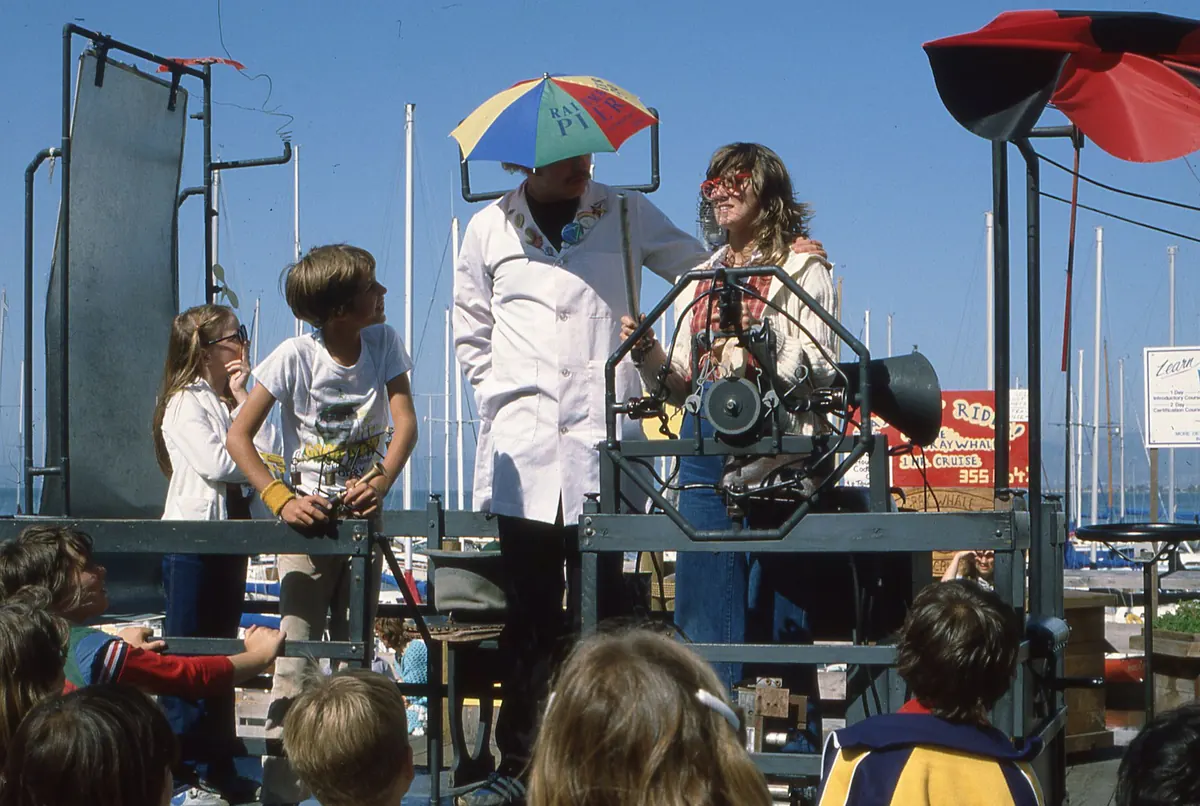
A harbor on a Saturday morning is a machine with the lid off: cranes swinging, ice going into fish boxes, someone hosing a deck while a trader two quays away argues about the price of sea bream. By late afternoon the same stones hold a regatta finish, and by evening a long table for several hundred people. Planning a weekend around that is less about filling every hour than about knowing which hours actually matter. Choose your anchors, leave the rest loose, and the port will do the entertaining.
Start With Two Documents: the Events Calendar and the Tide Table
Almost every working harbor publishes a seasonal programme — festival weekends, market days, regatta dates, harbor open days, the odd concert on the moles. Find it early, in print or on the harbor authority's notice board, and read it properly. Market days shift around public holidays. A regatta listed for "Saturday and Sunday" may have its first warning signal at ten on Saturday and nothing at all on Sunday if the forecast turns. The programme tells you what exists; it rarely tells you when to arrive.
That is where the tide table earns its place. In a small port, water level decides whether the slipway is usable, whether the inner basin drains to mud by mid-afternoon, whether a ferry berths or waits off the breakwater. If you plan to launch a dinghy, take a harbor ferry, or walk out along a low quay, check the heights before you book anything. A festival that looks lovely on a poster can be a mudflat by four o'clock.
One useful habit: pick a single anchor event for each half-day, then write everything else in pencil. Two anchors a day is plenty. Three is how people end up watching a race start from a car park.
Friday Evening: Reconnaissance, Not Commitments
Arrive while there is still light and walk the water. Not the promenade — the working side. Find where the festival tents are going up, where the fish market sits, which gate the crews use, where the public toilets are, and where you can stand without being in the way of a forklift. Harbor offices often keep a paper map of weekend closures and one-way pedestrian routes; ask for it.
Eat early and close to the water, somewhere with a view of the quay rather than the street. Then go back out at dusk. This is when you learn the small things that save a Saturday: which lane fills with cars first, where the band will be, whether the seafood stall sells out by noon. If a community dinner needs tickets, buy them on Friday. They are usually sold in person, in cash, at a bar or a club house, and they do sell out.
Saturday Morning: Markets, Queues and Working Quays
Harbor markets start earlier than visitors expect. The fish market can be finished by eight; the farmers' and craft stalls might run until one but the good bread is gone by ten. Aim to be on the quay for the first hour, when the light is good, the crowds are thin, and the traders have time to talk.
- Bring cash in small notes. Card readers fail on a windy quay, and nobody wants to break a large bill at seven in the morning.
- Carry a flat bag, not a wheeled trolley. Cobbles and trolley wheels do not get along, and neither do trolleys and other people's ankles.
- Keep the quay edge clear. Bollards, ladders and mooring lines are equipment, not seating. On a working quay, crews and vehicles have right of way — step aside first, ask questions after.
- Ask before photographing people at work. A nod toward the camera and a questioning look costs nothing and usually gets a yes.
- Buy the ice last. If you are taking fish or shellfish home, plan the cool bag and the drive, not just the purchase.
Between the stalls, look up. Boatyards sometimes open their gates for the weekend, and a half-hour among hauled-out hulls and paint pots tells you more about the place than any information panel.
Saturday Afternoon: Regattas Reward Patience
Racing rarely starts on time. Courses are set for the wind that is expected, not the wind that is there, and a postponement of forty minutes is normal rather than a crisis. Build that into the day and you will enjoy it far more than the people sprinting for a vantage point at 13:55.
Where to stand
The finish line is dramatic for about ninety seconds. A headland, a breakwater root, or a raised quay with a view of the first mark gives you hours of racing instead of a single moment. Binoculars turn a harbor race into something you can actually follow. If you have a VHF radio and know how to use it quietly, race committee channels carry the announcements; otherwise watch the flag poles and the committee boat — a lowered flag and a bang means a start, an AP flag over a numeral means everyone is waiting.
Follow the marshals. If a section of quay is closed, it is closed because a crane is lifting or a fuel line runs beneath it, not to spoil your photograph. Sun on open stone is stronger than it feels; a hat and water are not optional, and shoes with grip matter on wet, algae-darkened ramps.
Saturday Evening: Find the Long Table
Harbor evenings tend to be communal rather than formal: trestle tables, a set menu of whatever the boats brought in, a queue that moves faster than it looks. This is usually the best-value and best-conversation meal of the weekend. Go early, take the seat next to someone rather than the empty end, and ask what they do. In a port, the answer is often a boat, a yard, a chandlery or a fish shop, and the conversation goes somewhere useful.
Practicalities worth knowing before you sit down: many community dinners are ticketed in advance and cash-only on the night; seating may be shared, so expect company; and a bottle to put on the table is a welcome gesture in most places, though not everywhere — follow what your hosts do. If you are travelling with someone who has allergies or a restricted diet, ask at the ticket desk in the afternoon rather than at the table.
Do not book two evening events. One long dinner beats two rushed ones, and harbor nights run late without anyone noticing.
Sunday: Build the Day Backwards
Start from the time you need to leave, not from the time you want to get up. Queues for ferries, bridge lifts and the one road out of a small port all bunch in the late afternoon, and a relaxed departure is worth more than one extra stop.
- Eight o'clock: a walk along the outer quay while the water is still glassy, then breakfast at whatever opens first.
- Ten o'clock: the maritime museum, a boatyard open day, or a try-sailing session if the club is running one — book these on Friday, they fill quickly.
- Noon: lunch away from the main festival strip, where the prices are calmer and the tables turn over slower.
- Two o'clock: last look at the stalls, last coffee, collect the car and check the exit routes.
If the weather turns, swap the outdoor plan for the indoor one without argument. Harbor festivals are hardy affairs and most will run in rain, but a regatta will be abandoned and a market will pack up early. A wet Sunday is a good day for the museum, the chandlery, and the second-hand bookshop that every port seems to have.
Practical Notes Before You Go
Check the weather and tide the night before and again in the morning; both change the shape of a harbor day. Park once and walk — quayside parking is usually restricted and often cleared for the event itself. Carry cash, water, sun protection and shoes that grip wet stone. Keep children and dogs away from mooring lines, ladder edges and the fueling quay, and never walk beneath a suspended load.
If you plan to be on the water rather than beside it, choose a licensed operator or a club running an organized session, and wear what you are told to wear. And remember that the harbor is a workplace that happens to be beautiful: leaving space for the people who work there is the single best way to be welcome back next season.
Photo: Malcolm Hill / Pexels
Related posts
More stories you’ll love reading